



ホットロールボンディングクラッディング
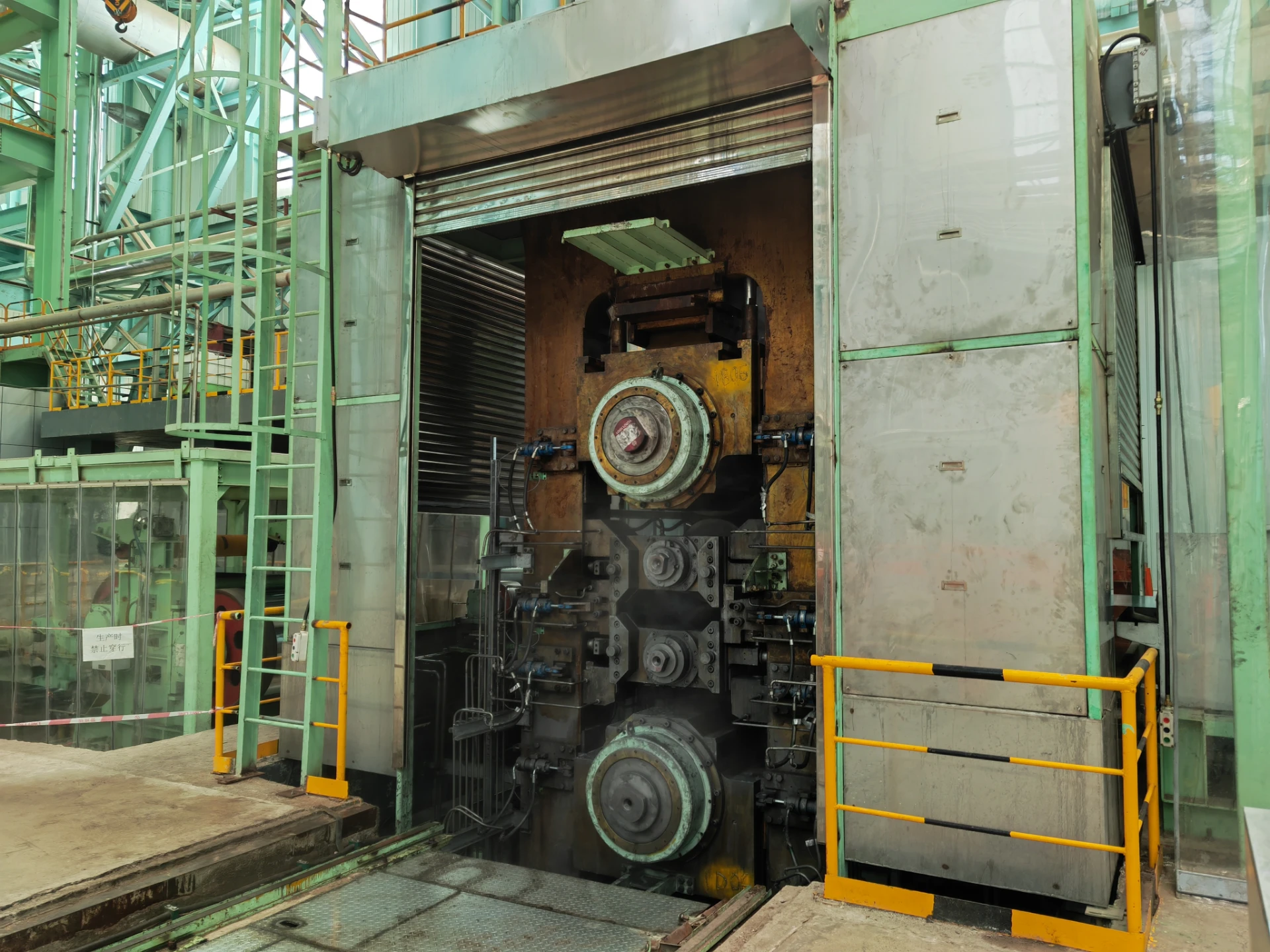
/A reporter’s take: what a modern temper rolling mill really does on the shop floor If you’ve ever watched a coil line hum at 300+ m/min, you know the magic isn’t just hot rolling or pickling—it’s the skin-pass stand that quietly fixes shape, surface, and feel. To be honest, that’s where a lot of downstream headaches disappear. A good temper rolling mill (also called a skin-pass mill) eliminates yield point elongation marks, nudges roughness into spec, and gives you that stable formability automotive stampers keep texting about late at night. What’s changing in the market Trends I keep hearing from plant managers: tighter flatness tolerance on AHSS, higher Ra control for coating lines, and smarter AGC/AFC loops tied to inline roughness metering. Sustainability is creeping in too—energy-optimized drives and hydraulic systems that cut idle losses. Surprisingly, many customers say the winning feature is not raw power but consistency under mixed coil schedules. How it works (process flow in simple steps) Materials: low-carbon cold rolled, IF steel, tinplate base, stainless 200/300 series, and sometimes aluminum. Entry: tension bridles stabilize; coil data loads (thickness, grade, target Ra/flatness). Skin-pass: 4-high stand, small soft reduction ≈0.5–2.0% elongation to erase yield terrace and tune mechanical properties. Surface: work-roll texturing (EDT/shot blast) sets Ra/Rz; roughness adjusted via roll change or variable pressure. Shape control: AFC, roll bending, and thermal balance keep I-units in spec; flatness measured inline. Inspection and test: thickness via X-ray/laser; flatness to ASTM A568; roughness per ISO 4287/4288 or EN 10049; mechanicals by tensile sampling. Exit: recoiling and marking; data logged for traceability (ISO 9001 systems). Typical specs (real-world values) Mill type 4-high, hydraulic AGC + AFC Thickness range 0.15–3.0 mm (≈, grade-dependent) Max strip width 1,250–1,650 mm options Skin-pass elongation 0.5–2.0% typical; soft reduction capability Line speed Up to ≈ 350 m/min (coil grade/width dependent) Roughness control Ra 0.4–2.5 µm via EDT rolls (ISO 4287) Flatness Meets ASTM A568 tolerances; inline I-unit feedback From the Beijing shop floor, the temper rolling mill offering at No.1518, LAR Valley Int’l, Guang’anmen Avenue, Xicheng, Beijing, focuses on four things customers actually notice: removing yield terrace, improving deep draw ability, dialing in surface cleanliness/roughness, and subtle thickness/strength tweaks via soft reduction. Applications and industries Automotive exposed panels, home appliance skins, tinplate for food cans, construction cladding, and electrical enclosures. In coating lines, a stable temper rolling mill upstream makes paint bake curves behave and cuts rework. Customization options Work-roll textures: EDT patterns for specific Ra/Rsk targets. AHSS packages: enhanced coolant control, roll bending, anti-chatter. Automation: interface to Level 2/3, coil recipe libraries, traceability to ISO 9001. Energy: high-efficiency drives, hydraulic accumulator sizing for lower peak demand. Vendor snapshot (customers keep asking this) Vendor Core spec Max width Skin-pass range Certs After-sales Temper Mill (Beijing, CN) 4-high AGC/AFC, soft reduction ≈ 1,650 mm 0.5–2.0% ISO 9001, ISO 14001 Onsite commissioning + remote International Vendor A 4/6-high options, advanced Level 2 1,880 mm 0.3–2.5% ISO 9001, CE Global spares network Regional Vendor B 4-high, basic AGC 1,450 mm 0.6–1.5% ISO 9001 Regional service only Service life and maintenance Work rolls: 12–18 months between regrinds (usage-dependent). Bearings: ≈30,000–40,000 h with proper lubrication. Common checks: roughness calibration weekly, flatness sensor verification monthly, safety audits quarterly. Real-world use may vary with coil cleanliness and operator practice. Mini case notes and feedback Automotive supplier (Mexico): cut stretcher-strain complaints by 90% after installing a temper rolling mill with EDT Ra 1.2 µm; panel scrap fell from 2.1% to 0.7% in 8 weeks. Appliance plant (Turkey): flatness I-units halved on 0.6 mm IF steel; paint-line fisheyes decreased thanks to cleaner strip surfaces. Tinplate line (Vietnam): soft reduction improved thickness uniformity; canmakers reported smoother draw-and-iron runs. Standards followed: ASTM A568/A568M for sheet tolerances, EN 10130 for low-carbon cold rolled, JIS G 3141 for general CR steel, ISO 4287/4288 for roughness. Certifications typically include ISO 9001 and ISO 14001. I guess that’s the boring part—but it matters when audits knock. References ASTM A568/A568M – Standard Specification for Steel, Sheet, Carbon, Structural, and High-Strength, Low-Alloy. EN 10130 – Cold rolled low carbon steel flat products for cold forming. ISO 4287/4288 – Geometrical product specifications (GPS): Surface texture. ISO 9001:2015 – Quality management systems; ISO 14001:2015 – Environmental management systems.

We have successfully executed over 500
projects around the world,
many first-of-their-kind
research projects and products in China, including
We have successfully executed over 500
projects around the world,
many first-of-their-kind
research projects and products in China, including
-
2004
The 1st hydraulic AGC system for hot rolling of ribbon steel
-
2006
The 1st AFC system used for 1450mm skin pass mill
-
2009
The 1st 5-stand tandem line with 2-stand POR & Uncoiler for 650mm ribbon steel
-
2012
The 1st reversing mill for 1380mm strip
-
2016
The 1st soft-rolling system used in skin pass mill
-
2019
The 1st fully automated medium-width tandem cold rolling mill
-
2021
The 1st 5000KN Twin-stand double skin pass mill
-
2022
The 1st coupled pickling line & tandem cold mill with two modes - big roller & small roller
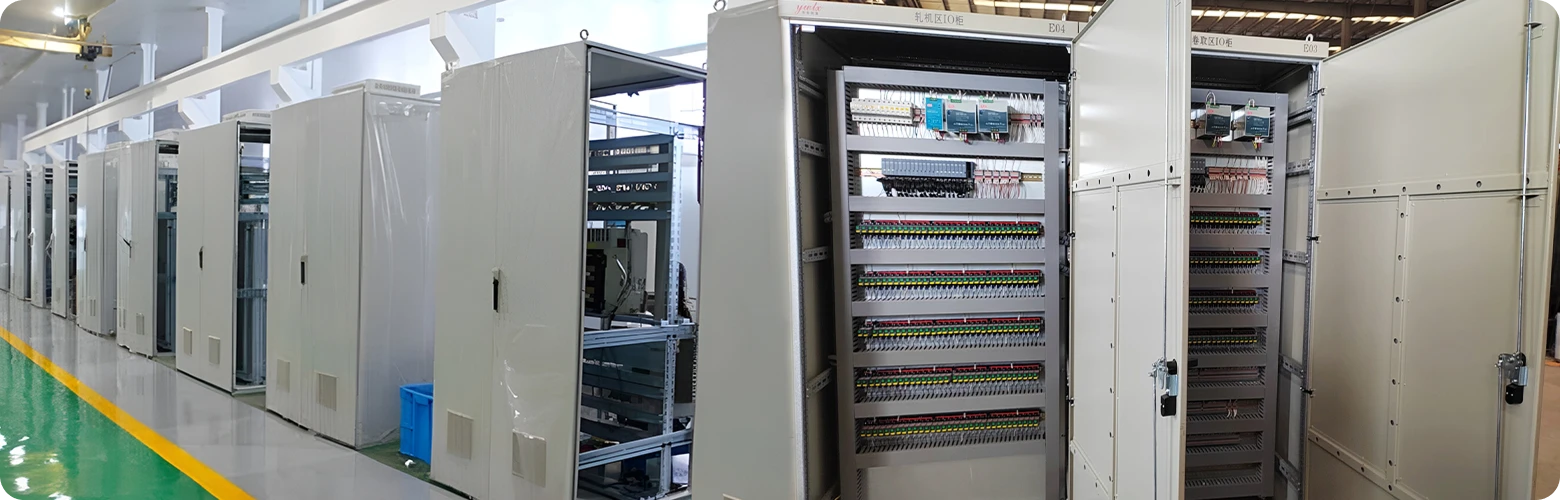
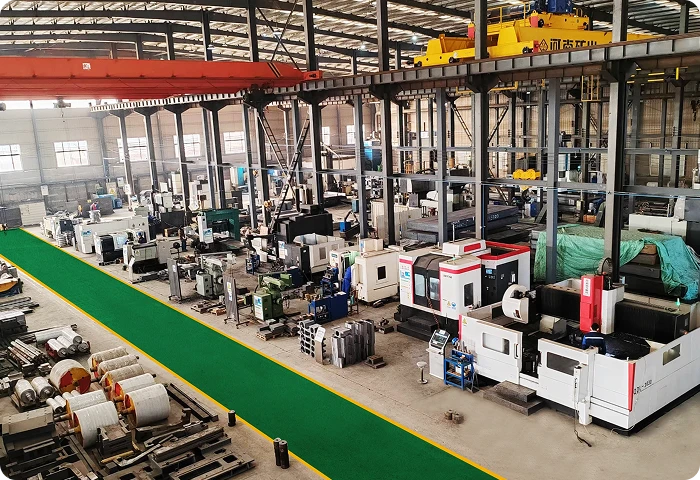
Yang Wang Li Xin operates a state-of-the-art facility over 66,000 square meters,and our manufacturing facility is fully equipped with high-tech machinery and high-capacity cranes. This enables us to handle large work pieces measuring 4.5m in width, 10m in length, and 1.5m in height, guaranteeing our capacity to produce 1800mm skin-pass mills and 1450mm rolling mills. The individual piece can weigh up to 100 tons.

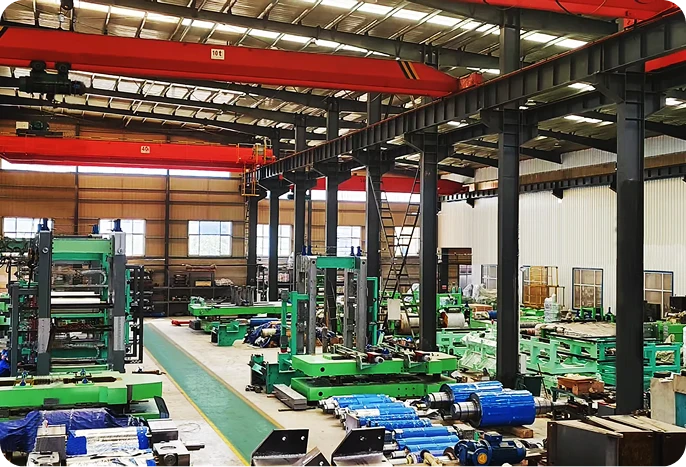

Quality is fundamental to the enterprise survival. We have established a comprehensive and meticulous quality management system and have successfully obtained ISO14000 certification. Starting from the design source, it supervises the entire production cycle, including design, procurement, processing, assembly, in-factory testing, installation, and online commissioning. The workshop is equipped with measuring tools like vernier calipers, spectrometers, hardness testers, and ultrasonic flaw detectors. They are used to check materials and control tolerances to ensure the final equipment meets or exceeds requirements. All products have a unique code, This enables the easy identification and traceability of the equipment components and ensures full control of quality.


-
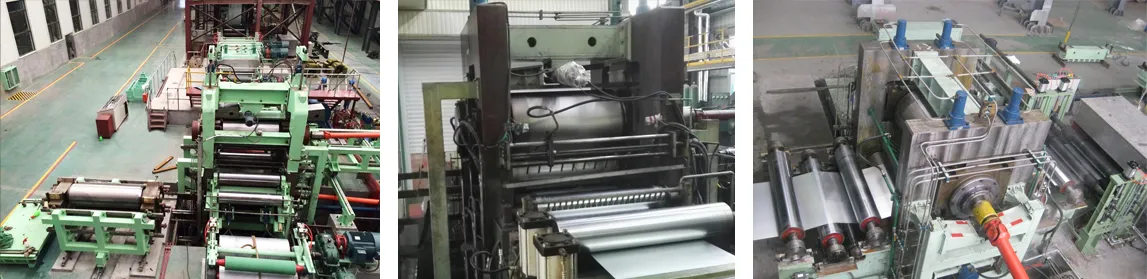 Cladding Rolling Mill: Precision Metal Cladding & Sustainable Manufacturing | YWLXIn the realm of metal processing, the Cladding Rolling Mill has emerged as a groundbreaking solution, offering enhanced surface quality, energy efficiency, and environmental sustainability. Developed by Beijing Yang Wang Li Xin Sci&Tech Co.,Ltd. (commonly known as YWLX), this technology addresses the limitations of traditional methods like hot roll bonding cladding and explosive cladding. This art
 -
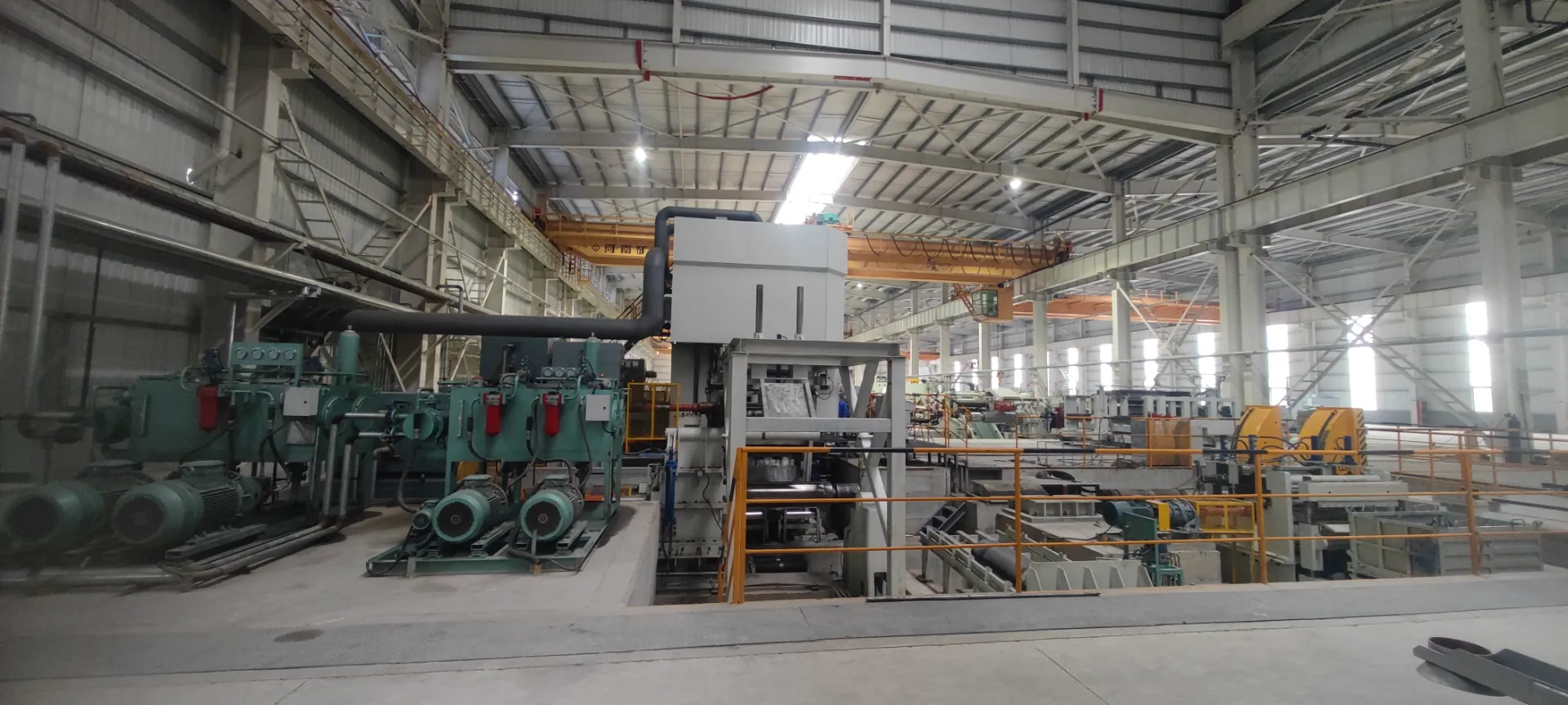 Cladding Rolling Mill - YWLX | Cold Rolling Cladding, Energy EfficiencyIntroduction The demand for advanced cladding technologies has surged across industries such as electronics, automotive, and chemical manufacturing. Traditional methods like hot roll bonding cladding and exploding cladding have long been plagued by inefficiencies, including low surface quality, high energy consumption, and costly production processes. However, the advent of cold rolling cladding t
 -
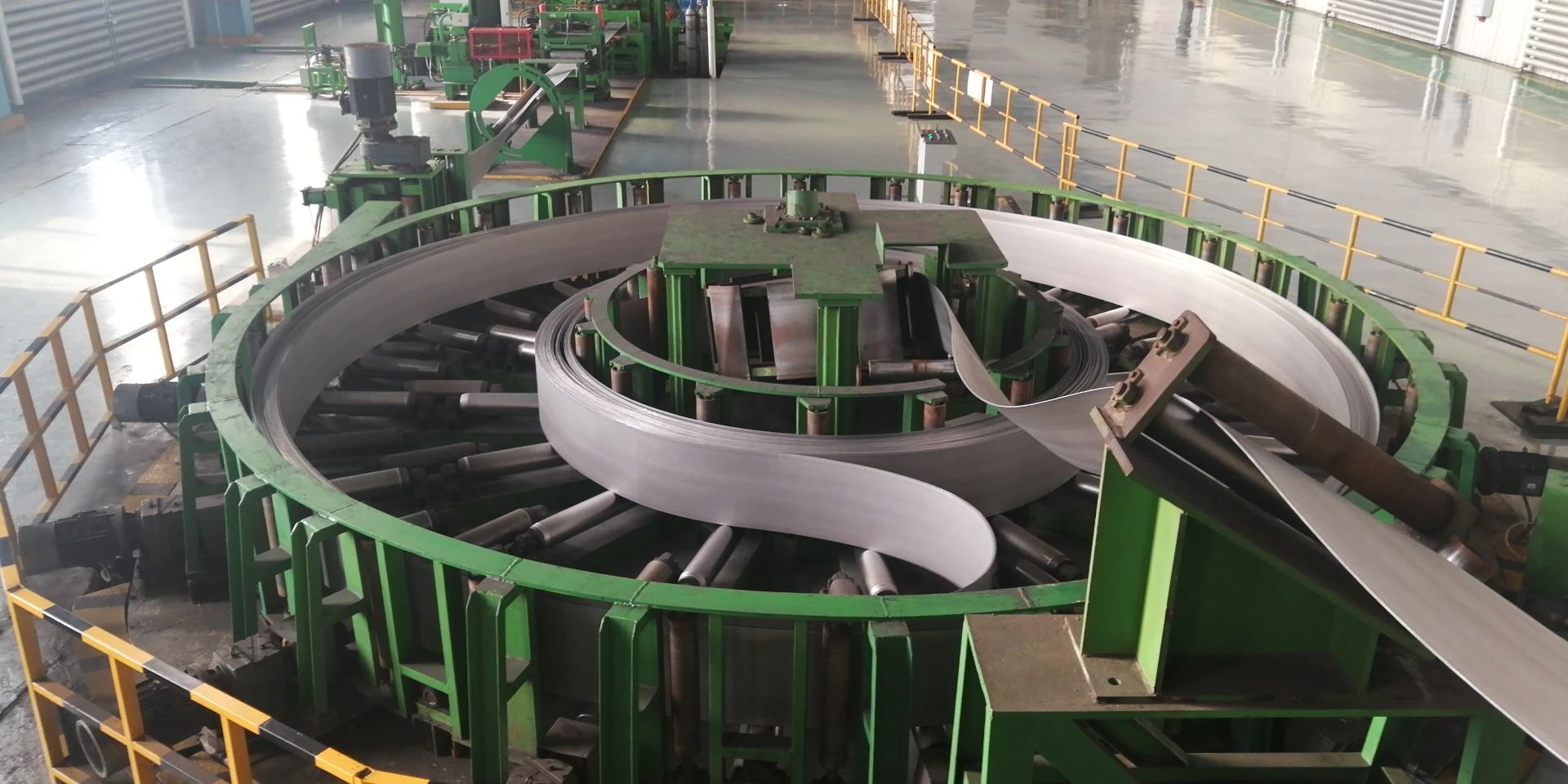 YWLX Celebrates the International Women's DayIn March, as the earth comes alive with the vibrant touch of spring, All employees in YWLX are fully committed to achieving the annual business goals, striving for a promising start. Amidst this dynamic atmosphere, the 115th International Women's Day arrives. Here, we extend our warmest and most sincere festival greetings to all female employees at YWLX! Throughout the development of YWLX, women i


